Enterprise AI governance is not a one-time assessment. It is a continuous operating model that has to keep up with new applications, providers, datasets, prompts, and agentic workflows.
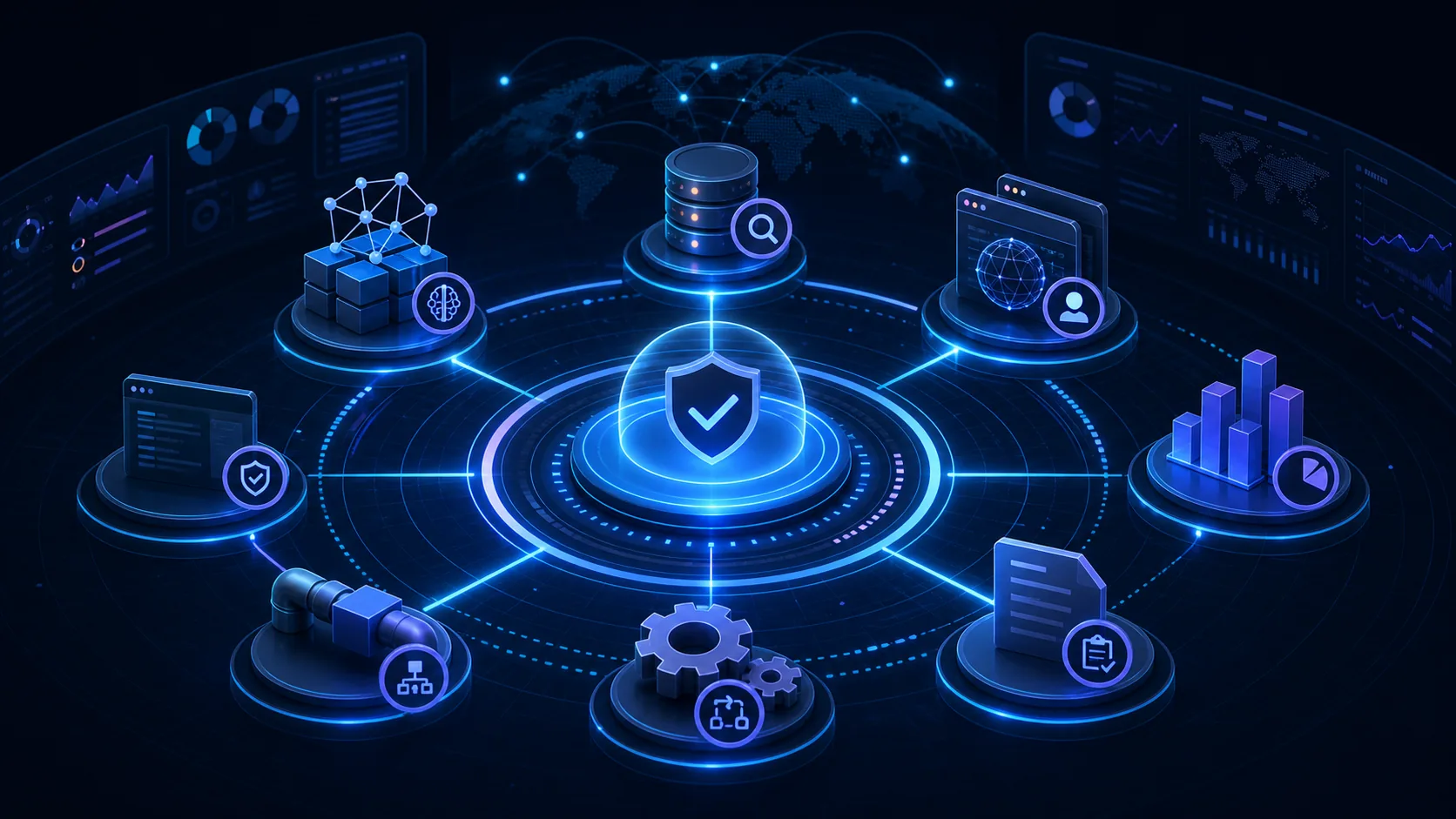
A 24x7 layer combines discovery, risk scoring, policy workflows, guardrail telemetry, issue management, and reporting in one surface.
Why AI governance needs operations
AI adoption moves faster than governance committees. New prompts, model calls, browser tools, agents, and third-party AI features can appear between formal review cycles.
The operating layer has to detect change, route work, enforce policy, capture evidence, and keep leadership visibility current. Otherwise governance becomes an annual snapshot of a system that changes daily.
The operating cadence
A strong cadence includes continuous inventory refresh, automated issue creation, runtime telemetry review, evidence reuse, risk acceptance workflows, policy exceptions, and executive posture reporting.
This is where NIST AI RMF and ISO/IEC 42001 become practical: not as documents, but as recurring operational functions that teams can measure and improve.
How Argorix resolves it
Argorix provides the control plane for that cadence. Security, compliance, platform, and product teams can work from the same inventory, issue ledger, evidence layer, and runtime control signals.
The result is a governance program that behaves like operations: always on, measurable, assignable, and evidence-ready.